
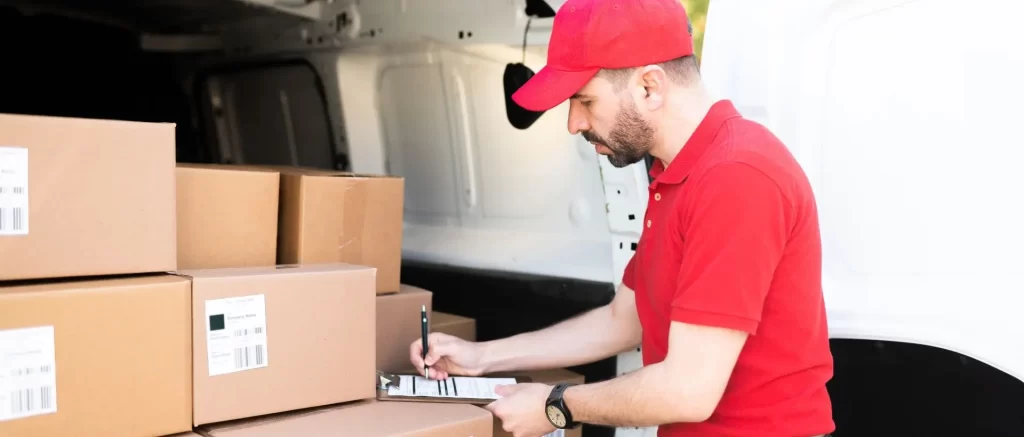
Last-mile delivery represents the final transport segment from distribution centers to end destinations. This stage consumes disproportionate resources despite covering the shortest distances. Urban congestion, address accuracy problems, and recipient availability issues complicate what should be simple final transfers. Deliveree last-mile logistics support systems address these specific challenges through local route expertise, flexible delivery windows, and real-time problem resolution capabilities that long-haul freight operations don’t require.
Local geography expertise
Drivers familiar with specific territories navigate far more efficiently than those relying solely on GPS guidance. They know which apartment complexes have confusing numbering systems. They remember which hotels have separate loading docks for different building sections. They’ve learned which streets flood during rain or become impassable during rush hours. This accumulated knowledge prevents the delays that unfamiliar drivers experience when GPS directions lead to wrong entrances or routes blocked by local conditions.
Conference venues present particularly complex navigation challenges. Large convention centers have multiple loading areas serving different halls. Directions to the main entrances don’t help drivers needing backstage access for equipment delivery. Hotels with separate conference wings require knowing which service elevators reach specific ballrooms. Tour operators shipping gear to activity sites benefit from drivers who’ve delivered to those beaches, mountains, or waterfront locations previously. The repeat exposure builds institutional knowledge that first-time deliveries can’t replicate.
Recipient communication management
Failed deliveries waste resources when cargo returns to distribution centres, requiring second attempts. Many failures stem from communication breakdowns where recipients don’t know deliveries are coming or aren’t available when trucks arrive. Last-mile support includes proactive recipient contact confirming availability and coordinating timing. Automated notifications alert recipients when drivers depart for their locations. Text updates provide estimated arrival windows narrow enough that recipients don’t wait around all day.
Two-way communication channels let recipients provide access instructions that prevent confusion:
- Building entry codes for gated properties
- Parking directions for venues with restricted access
- Elevator requirements for large cargo
- Contact numbers for on-site coordinators
- Alternative delivery locations when primary addresses prove problematic
Hotels receiving deliveries during events benefit enormously from this advanced coordination. Staff prepare loading dock access, notify security about expected arrivals, and allocate receiving personnel appropriately. Without this communication, deliveries interrupt operations unpredictably.
Density optimization strategies
Last-mile costs drop dramatically when multiple deliveries cluster within small geographic areas. Ten deliveries to hotels within one square mile cost far less per delivery than ten scattered across an entire city. Support systems identify delivery density opportunities, grouping shipments by geography and scheduling them for sequential completion. Restaurants, hotels, and retail locations concentrated in tourism districts create natural clustering that optimized scheduling exploits. Route sequencing algorithms determine optimal stop orders, minimising backtracking and turn complexity. A driver making 12 deliveries follows paths visiting all locations through logical progression rather than zigzagging across territories. This optimization happens automatically through platform algorithms rather than leaving drivers to determine sequences manually based on imperfect route knowledge.
Exception resolution protocols
Problems emerge constantly during last-mile delivery. Addresses don’t exist. Recipients moved without updating records. Building access gets denied. Cargo doesn’t fit through doorways. Regular freight operations lack resources for handling these exceptions since long-haul drivers continue to subsequent cities rather than staying local to resolve issues. Last-mile support maintains local problem-solving capacity, including alternative storage options, same-day redelivery scheduling, and on-call coordinators who troubleshoot access problems. This exception handling prevents single problems from cascading into complete delivery failures. A hotel with a temporarily blocked loading dock gets cargo delivered through an alternative entrance. Conference equipment too large for elevators gets disassembled and reassembled on-site. Tour operators receiving damaged gear get immediate replacement shipments from local distribution points.