
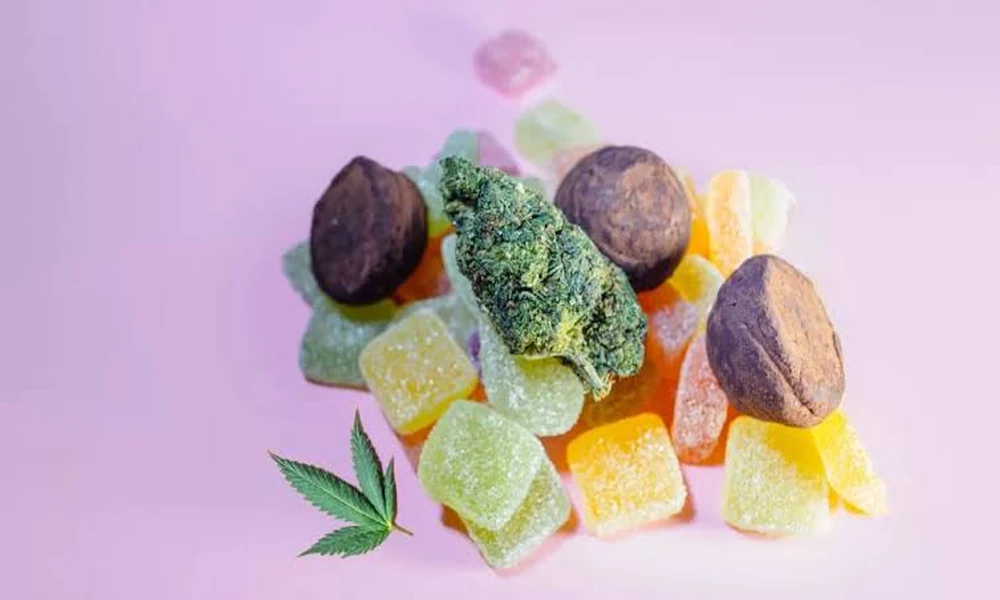
Edibles survive travel less through luck and more through temperature, light, and moisture control across every stage of a trip. Hotel rooms create most stability problems travellers meet, since climate settings change nightly and storage spots vary wildly between properties. Gummies ordered through exhalewell.com/thca-gummies ship in packaging built for shelf life, and keeping that protection working inside a room takes only small adjustments.
What makes edibles unstable
Heat sits at the top of every stability problem, softening gummies past their shape near twenty-seven degrees Celsius and melting them fully in a parked car. Cannabinoids inside them degrade under the same conditions, losing potency slowly as the temperature climbs. Light works alongside heat, since window sills and bright surfaces break cannabinoids down through direct exposure. Sugar-coated pieces become sticky in humid climates and attract mould inside opened containers when exposed to moisture. Hotel rooms combine all three threats. During the day, sunlight hits desks and nightstands, and humid air drifts into every corner of bathrooms. Transit adds pressure changes and trunk heat before the room even appears. Stability, therefore, depends less upon the product and more upon where it rests during each stage.
Choosing spots inside rooms
Room placement decides most outcomes, and the best spots share three traits: cool, dark, and dry.
- Dresser drawers away from windows hold a steady temperature through the day.
- Closet shelves sit dark, ventilated, and clear of heating unit airflow.
- Luggage interiors work well once bags rest away from exterior walls.
- Mini fridges suit hot climates, provided containers seal against condensation.
Nightstands beside heating units fail every trait at once. Bathroom counters fail on humidity alone, no matter how convenient the surface looks. Ten seconds of placement thought on arrival covers the entire stay.
Protecting pieces during transit
- Temperature buffering – The centre of a packed bag insulates better than any pocket, since clothing layers slow heat swings between car, curb, and lobby. Trunks deserve avoidance during the summer months entirely.
- Container integrity – Original sealed packaging blocks moisture and holds shape under compression. A rigid case around soft packs prevents crushing, while zip-sealed bags add a second moisture wall in humid regions.
Airport legs follow the same logic, with carry bags holding temperature steadier than checked luggage riding through hot cargo areas.
Checking the condition on arrival
A short inspection of the room confirms everything worked. Pieces holding their moulded shape passed the trip in good order. Slight softening reverses within an hour in a cool drawer, and texture returns without potency loss. Sticky clumping signals moisture exposure, which a dry sealed container stops from progressing further.
Melted pieces fused into one mass remain safe yet awkward, and refrigeration firms them enough to separate. Colour shifts or off smells after long heat exposure mark real degradation, the one condition worth acting upon. Everything short of that recovers with cool dark storage inside the first evening.
Stable edibles come down to three controls: cool placement, sealed containers, and buffered transit. A drawer instead of a nightstand, original packaging instead of loose bags, and a bag centre instead of a trunk. Small choices, repeated each stay, keep every piece exactly as it left home.