
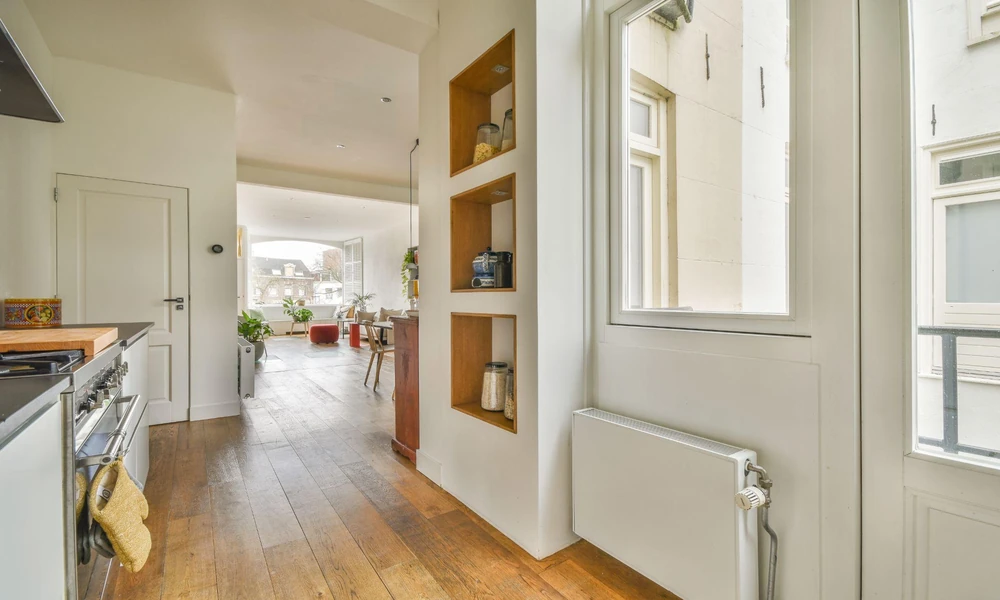
One evening, a resident comes home exhausted, closes the door, and doesn’t see another person until morning. Another evening, the same resident wanders into the communal kitchen, ends up cooking alongside three neighbours, and stays talking for two hours longer than planned. Both evenings happen in the same building, under the same lease, with the same person choosing entirely differently each time. That choice, not a fixed obligation either way, is really the point of well-designed communal living.
Neither evening is the norm, and neither is the exception. They’re simply two different nights, and the space accommodates both without asking anything of the resident beyond deciding which one they feel like having.
Why the Word ‘Communal’ Creates an Inaccurate Picture
The word conjures something closer to a hostel or a share house from years past, shared bedrooms, thin walls, a constant low hum of other people’s lives happening right next to yours, whether you want it or not. That picture doesn’t reflect how most modern communal living is actually structured. The communal part refers specifically to shared amenity spaces, kitchens, lounges, gyms, not shared bedrooms or an expectation that residents constantly participate in group activities. Private space and shared space exist as genuinely separate zones, not one blended, unavoidable experience.
It’s an understandable assumption to carry in, given how the word gets used elsewhere. It just doesn’t hold up once you actually look at how a modern space is laid out.
Why This Distinction Matters for Anyone Hesitant About the Idea
Plenty of people rule out communal living purely on the assumption that it means constant, unavoidable social contact, without realising that a genuinely well-designed setup works the opposite way. Singapore co-living built around private, ensuite rooms addresses exactly this concern directly, offering a genuine retreat that happens to sit within a larger community, rather than forcing a choice between total privacy and total exposure.
Why the Private Room Is the Actual Foundation, Not an Afterthought
A private, ensuite room with its own door that actually locks is the starting point of a well-designed communal setup, not a compromise bolted onto a shared living concept. Everything communal sits alongside that foundation as something genuinely optional: a kitchen a resident can use alone at midnight just as easily as with company, a lounge that’s there when wanted and easy to simply walk past when it isn’t. The community exists for residents who want it, on their own terms, rather than being imposed as a condition of living there.
Why This Opt-In Model Actually Suits Singapore’s Pace of Life
A city where long work hours and packed schedules are the norm doesn’t leave much room for an arrangement that demands constant social participation, which is exactly why the opt-in model matters here specifically. Genuine communal living in Singapore has to accommodate residents who want company most evenings and residents who mostly want to come home, shut the door, and recharge, sometimes both within the very same week.
Why This Misconception Persists Despite Being Easy to Correct
Marketing photos of communal living tend to show shared spaces full of people, smiling over a meal, gathered around a lounge, because that’s the more visually interesting story to tell. What those photos rarely capture is the considerably quieter reality most residents actually experience most nights: a private room, a closed door, and the option, not the obligation, to step into the communal spaces whenever it actually appeals.
A photo of an empty, quiet room doesn’t sell a lifestyle the same way a photo of a lively kitchen does, even though it’s the more accurate picture of most evenings for most residents.
Communal living was never meant to trade away privacy for community; it was meant to offer both, available whenever a resident actually wants either one. The two evenings described earlier aren’t a contradiction; they’re exactly what a well-designed space is supposed to make possible: the same person, the same building, a genuinely different choice each time.
The door that closes is just as much a part of the design as the kitchen that stays open, and knowing that upfront tends to change how the whole idea feels.
Curious what a genuinely private room within a real community actually feels like? Contact Coliwoo and find a space that fits how you actually want to live.